

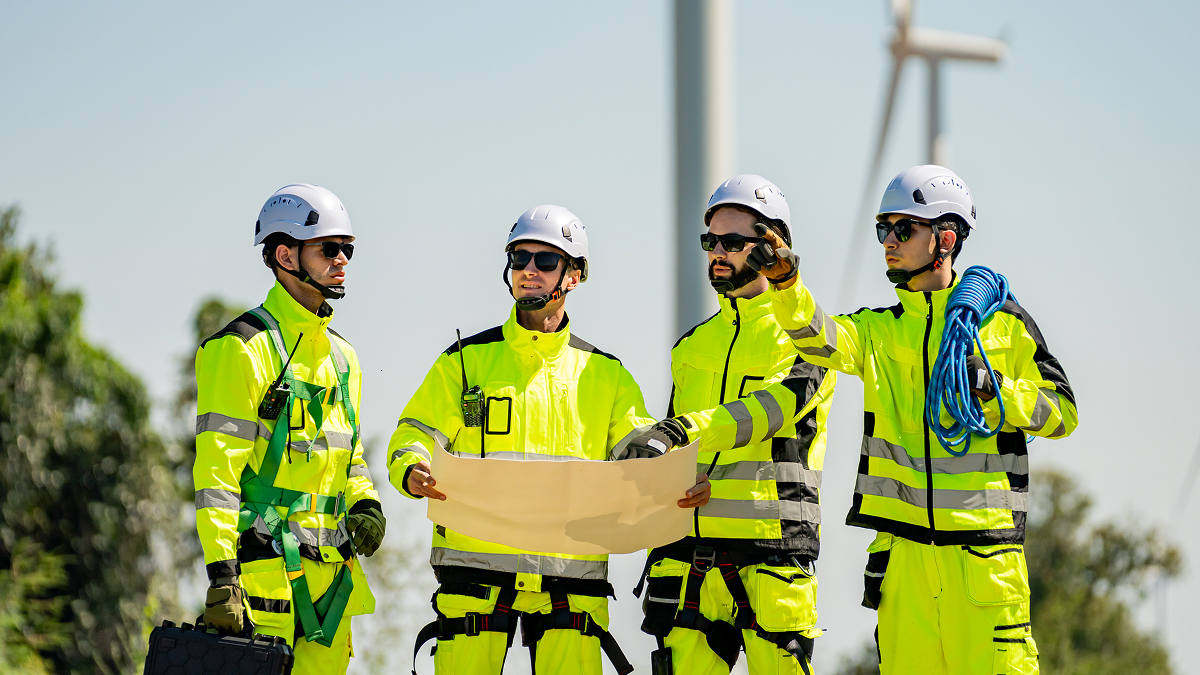
Top Skills Needed for the Green Energy Transition
The world is changing faster than ever. Every country and every industry is trying to cut emissions and move toward cleaner, more reliable energy. In this race, one thing is clear: we don’t just need new technology, we need new skills. The people who can design, install, manage, and adapt renewable systems will shape the next phase of progress. Demand for green skills has grown more than 20% in just a few years, it keeps climbing. The transition to green energy is as much about people as it is about power.
Technical and Engineering Proficiency
Every solar farm, wind turbine, or hydro plant begins with someone who can make it work. Engineering is at the green transition’s core, connecting creativity with precision. It’s no longer enough to specialize in one area; today’s energy systems need broad technical understanding and hands-on problem solving.
Some of the most useful skills include:
- Renewable system design: Creating and maintaining solar, wind, and geothermal setups that work efficiently in real conditions.
- Grid integration: Linking renewable sources to power networks while keeping supply stable and reliable.
- Energy storage: Working with batteries, hydrogen systems, and other storage methods to balance demand.
- Sustainable engineering: Applying classic design and maintenance principles while reducing waste and environmental impact.
Technical strength is still the base of everything. However, engineers who think across systems, not just within them, will lead the next generation of clean energy projects.
Data, Digital Tools, and Systems Thinking
Modern energy is digital as much as it is mechanical. From forecasting how much sunlight a region will get to predicting when a battery needs service, data now drives decisions that used to rely on instinct. The ability to work with information, model systems, and understand patterns quickly becomes as important as physical engineering.
Professionals who stand out know how to:
- Analyze and model data to forecast energy production and consumption trends.
- Use digital tools and simulations to test ideas before they’re built.
- Manage automation systems that make grids smarter and more responsive.
- Think in systems by seeing how generation, storage, and distribution interact.
When you can connect data to real-world results, you make energy cleaner, cheaper, and more reliable. That combination of logic and insight makes digital skills powerful in this field.
Environmental and Policy Knowledge
Clean energy doesn’t exist in isolation. Every turbine, solar park, or biofuel plant is part of an ecosystem of laws, landscapes, and communities. Understanding this bigger picture helps projects move from idea to reality without unnecessary roadblocks.
Important knowledge areas include:
- Environmental regulation and how it affects construction and operation.
- Permitting and compliance processes that determine when and how projects can proceed.
- Impact assessment examines how energy production influences air, water, and local wildlife.
- Policy awareness, keeping up with renewable incentives and carbon pricing changes.
The professionals who can navigate technology and regulation make themselves indispensable; they don’t just work; they last.
Adaptability and Collaboration
The energy sector never stands still. New materials appear, policies shift, and technologies evolve overnight. What matters most isn’t knowing everything, but being willing to keep learning. Adaptability keeps people relevant, and collaboration makes big ideas possible.
What makes a difference here is the ability to:
- Learn quickly and stay curious about emerging technologies.
- Communicate across teams that mix engineers, economists, and community leaders.
- Handle uncertainty without losing focus.
- Solve problems creatively when plans change.
The green energy transition depends on cooperation. No single person or field can solve the energy challenge alone. Those who can blend technical skills with empathy and openness will stand out in every project they join.
Business and Financial Awareness
Behind every clean energy project is a financial story. For change to scale, it must make economic sense. The ability to understand costs, funding models, and long-term returns gives professionals an edge. It’s what turns innovation into sustainable business.
Some important capabilities are:
- Understanding green finance, including climate bonds and sustainable investments.
- Evaluating project economics, from installation costs to operational efficiency.
- Managing risks and contracts to ensure accountability and profit stability.
- Tracking market trends that influence energy prices and investment priorities.
When technical expertise meets financial literacy, projects become not just possible but scalable. That’s how clean energy moves from pilot stages to global reality.
Conclusion
The green energy transition is an ongoing process characterized by the need for individuals who can integrate technical knowledge, creativity, data awareness, and business acumen. Key areas of focus for developing a capable workforce include technical expertise, digital fluency, environmental understanding, adaptability, and financial awareness. These competencies will underpin the future of energy, which will not only rely on renewable resources like solar and wind but also on skilled individuals adept at leveraging these technologies effectively.
If you’re looking to build a strong renewable energy team, contact us today. Our expertise in recruiting for this sector means we understand the unique challenges and opportunities each industry faces. Let us help you find the talent that drives your organization forward.