

Impact of AI on Traditional Maritime Roles
In the past, navigation depended on competent sailors reading charts, figuring out the weather, and making decisions. AI systems can now look at real-time data streams, including satellite feeds, radar, GPS, and weather forecasts, to suggest faster and safer routes. On average, these systems may save 10–15% of gasoline, lowering shipping costs worldwide. AI-powered collision-avoidance software uses many sensors to find risks long before people can see them. Even yet, captains and officers are still in charge. However, algorithmic ideas that crunch thousands of variables in seconds are having more and more impact on their decisions.
Smart Ports and the Automation of Dockside Jobs
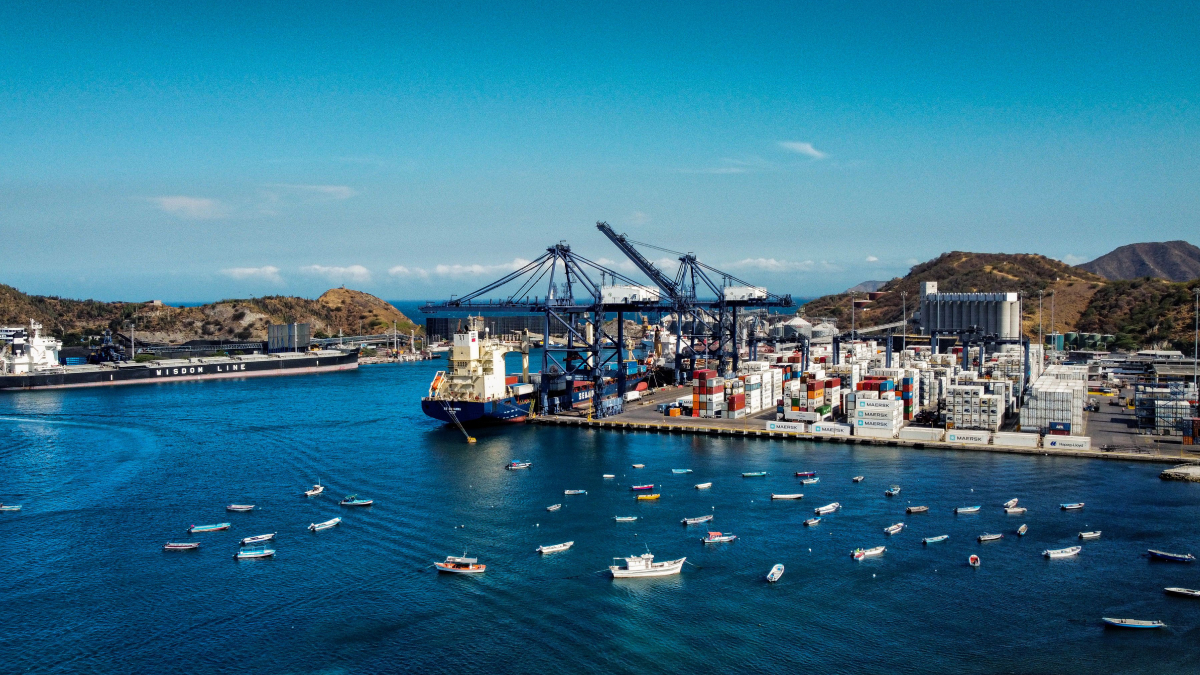
Ports used to be loud places with dockworkers, cranes, and paperwork. They are becoming “smart ports” because of automation and AI. For example, Rotterdam’s port uses digital twins, virtual simulations of real-time operations, to accurately predict traffic jams, plan crane schedules, and assign berths. Now, self-driving cars can carry containers between terminals with very little help from people. This makes things go more smoothly and reduces accidents, but it also changes how things are done at the pier.
Unions in the US and Australia, among other places, have spoken out against this, saying that automating cranes and guided vehicles might put thousands of jobs at risk. Almost every major port is dealing with the conflict between efficiency and jobs.
How Does AI Affect Traditional Maritime Jobs?
People still have a role at sea, but it is changing. Automated systems now help or even replace many of the tasks that used to require people to be on deck or always on the lookout in the engine room. Engineers used to examine machines by hand, but today, they use predictive maintenance software that tells them when something might break down before it does.
Drones and sensors perform inspections, so deckhands don’t have to perform as many safety checks repeatedly. AI-powered systems are also taking over more of the regular paperwork, such as customs forms and compliance logs.
Jobs in the Maritime Industry in the Future
Things going away on one side are coming back on the other. People who used to work in the maritime industry as mechanical repairmen or manual navigators are now finding jobs in data analysis, cybersecurity, and AI system supervision. For example, remote vessel operators are a new job that is growing. They control semi-autonomous ships from land. AI-powered training simulators prepare crews for situations that were impossible to recreate in drills, making them more ready and safe. Cybersecurity experts are also in high demand since shipping lines are becoming popular targets for digital attacks. The industry isn’t getting smaller; it’s changing to fit new skills.
Working Together: Humans and AI in the Maritime Industry
AI in marine labour doesn’t mean getting rid of sailors; it means changing what they do. Automation handles jobs that are repetitive and involve a lot of data. Humans have judgment, flexibility, and the capacity to understand subtle differences. The industry must find a balance between using AI’s efficiency and protecting the dignity and jobs of the workers who have kept global trade going for a long time. It will be up to rules, training, and cooperation across the industry to decide if this change helps or hurts seafarers.
Conclusion
People who labour on the sea have always had to be strong. As AI goes from being an experiment to a tool we use daily, traditional roles will keep changing. However, the core of maritime work—people being responsible for ships and their journeys—will stay the same. People are still in charge of the course, even though the horizon changes.