


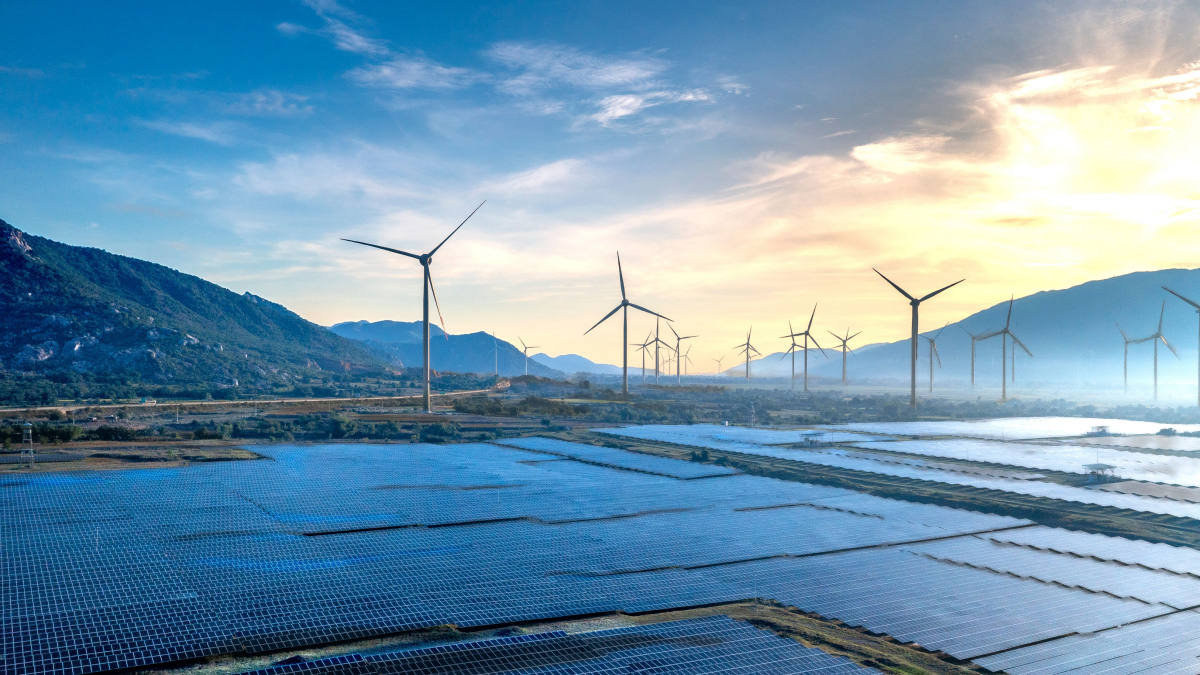
The market for green energy is growing very quickly. The number of jobs in green energy rose from 12.7 million the year before to about 13.7 million in 2022. Most of these new jobs are in sun and wind power. Because of this rise, there is a big need for people who can set up, handle, and run these modern energy systems.
At the same time, workers in older industries have to deal with tools that are out of date or less demand. Retraining is becoming both necessary for the economy and a way to build a job that will last longer.
How can people be retrained for jobs in renewable energy?
1. Figure out what skills can be used in different situations
People who work in standard businesses already have skills that are useful. People with experience in safety training, electrical wiring, mechanical repair, and project management can easily move into the green energy industry. For example, someone who knows how to work on oil rigs or turbines can move on to installing solar panels or maintaining wind mills. It’s easier and faster to get new skills when you know which ones can be used in different situations.
2. Use training programs that are versatile and adaptable
For many jobs that use green energy, you don’t need a full college degree. When people need to learn new skills quickly, certificate programs or hands-on training are often enough. Programs that are easy for workers to fit into their plan, like online or weekend classes, work best. You can quickly get skills that can get you a job by getting micro-credentials or attending focused boot camps in solar energy, wind technology, or energy data analytics. Training needs to change as quickly as the business world does.
3. Work on learning new technology and tech skills
Working with renewable energy needs different kinds of skills. This includes setting up solar systems, running smart grids, analyzing data, or using connected devices to do forecast maintenance. Workers also need to know how to track carbon, do lifetime studies, and follow local rules. You must have digital and green skills. Without them, workers could fall behind, even if they have years of knowledge in a certain field.
4. Make sure everyone is included
It should be possible for everyone to join retraining programs. They need to be cheap and easy to get in your area, and people who are having trouble because of things like distance, age, or lack of education should be helped. A lot of attempts to educate people are now aimed at places where jobs in fossil fuels are going away. These programs make it easy for workers to get into the green economy. There should also be local job trends in training. If an area spends money on solar farms, people should learn how to work in them. If wind power is rising, that’s where you should learn skills.
5. Form alliances between different fields
Industry, the government, and school companies working together on retraining is what works best. Both companies and workers can find it easier with help from the government and training programs. Schools and training centers need to keep their classes up to date so they can meet the needs of the business. Partnerships help find skill gaps, lay out career paths, and make sure that training leads straight to job possibilities.
What to expect during the change?
Retraining can help you get steady jobs that have value. There are a lot of green jobs that pay well and often require less schooling than standard jobs. The benefits reach many areas because local economies get better and jobless rates go down in areas that are transitioning. But there are still problems. People need to get more training to keep up with how quickly technology changes. Also, some areas still have trouble getting to green job markets. Taking care of these differences is important to make sure that the shift goes well for everyone.
Conclusion
For a sustainable future, people need to be retrained for jobs that use green energy. The first step is to figure out what skills people already have, make learning paths that are open, and focus on digital and green tools. When retraining is open to everyone, relevant to the area, and backed by strong relationships, it gives workers, businesses, and communities long-term possibilities. The switch to green energy can be fair and hopeful if people get the right training.